



















































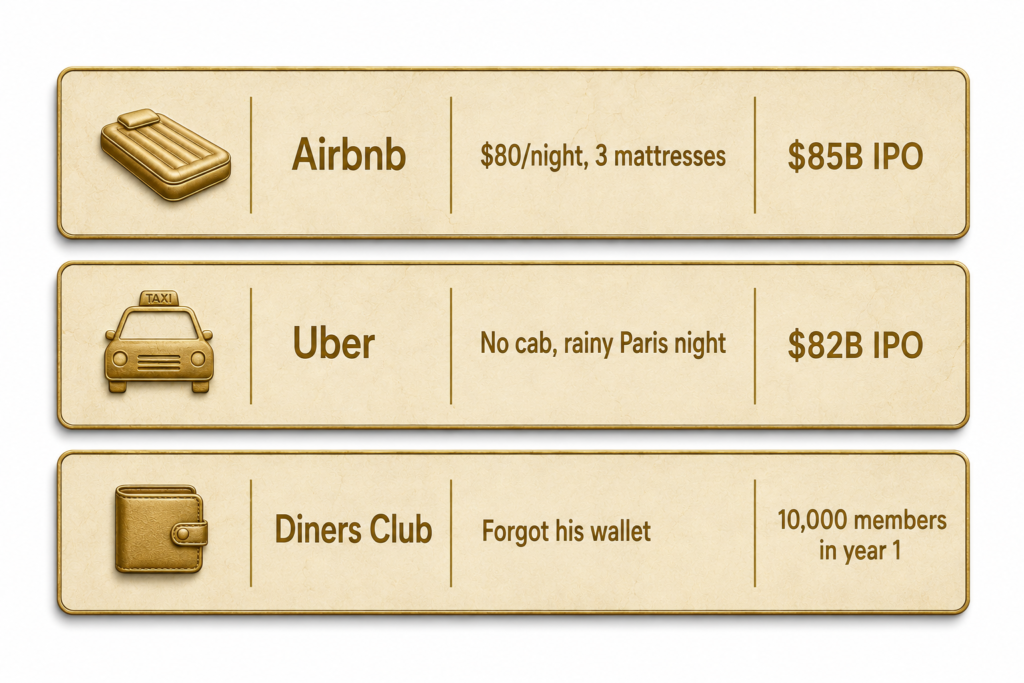
In October 2007, Brian Chesky and Joe Gebbia couldn’t make rent. A design conference had just flooded San Francisco, every hotel in the city was booked solid, and the two roommates had exactly one asset worth monetizing: floor space. They inflated three air mattresses, built a one-page site, and charged conference attendees $80 a night to sleep in their living room. It covered the rent. It also became Airbnb — and it’s the cleanest example there is of founder pain as market signal: build for the problem you actually have, not the one you think a market wants.
Key takeaways
- Airbnb wasn’t founded on a vision of “disrupting hospitality” — it was founded because two people couldn’t pay rent and had three air mattresses.
- This isn’t a one-off. Uber and Diners Club both started the same way: a founder’s own small, specific, often embarrassing friction, not market research.
- The pattern only works if the friction is precise. “I’m broke” doesn’t build a company. “I have three air mattresses and a conference full of stranded travelers” does.
- The practical takeaway: your own recurring annoyance is a legitimate source of product ideas — audit it the same way you’d audit customer data.

The pattern isn’t unique to Airbnb
Uber has two competing origin stories, and the discrepancy is itself the point. Travis Kalanick has told it as a rainy Paris night in December 2008, stuck with his friend Garrett Camp, unable to find a cab. Journalists who later dug into it found Camp already turning the idea over months earlier, frustrated with San Francisco’s expensive, hard-to-book black-car services. Whichever version is more accurate, the friction was identical: a person with money, a destination, and a phone, standing in a city with no way to connect the three. Eighteen months later, Kalanick and Camp had built Uber. At its 2019 IPO, it was valued at $82 billion.
Diners Club is the oldest version of this pattern, and the book it’s drawn from is upfront that the story has been polished: in February 1950, a New York businessman named Frank McNamara reached for his wallet at dinner and realized he’d left it at home. His wife had to bring the cash. Diners Club’s own longtime press agent later admitted the embarrassment was embellished for publicity — nobody has ever fully settled which version is true. What’s not in dispute is what happened next: McNamara went back to the same restaurant that February with a small cardboard card and a business partner instead of cash. Within a year, Diners Club had 10,000 members.
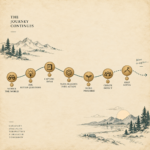
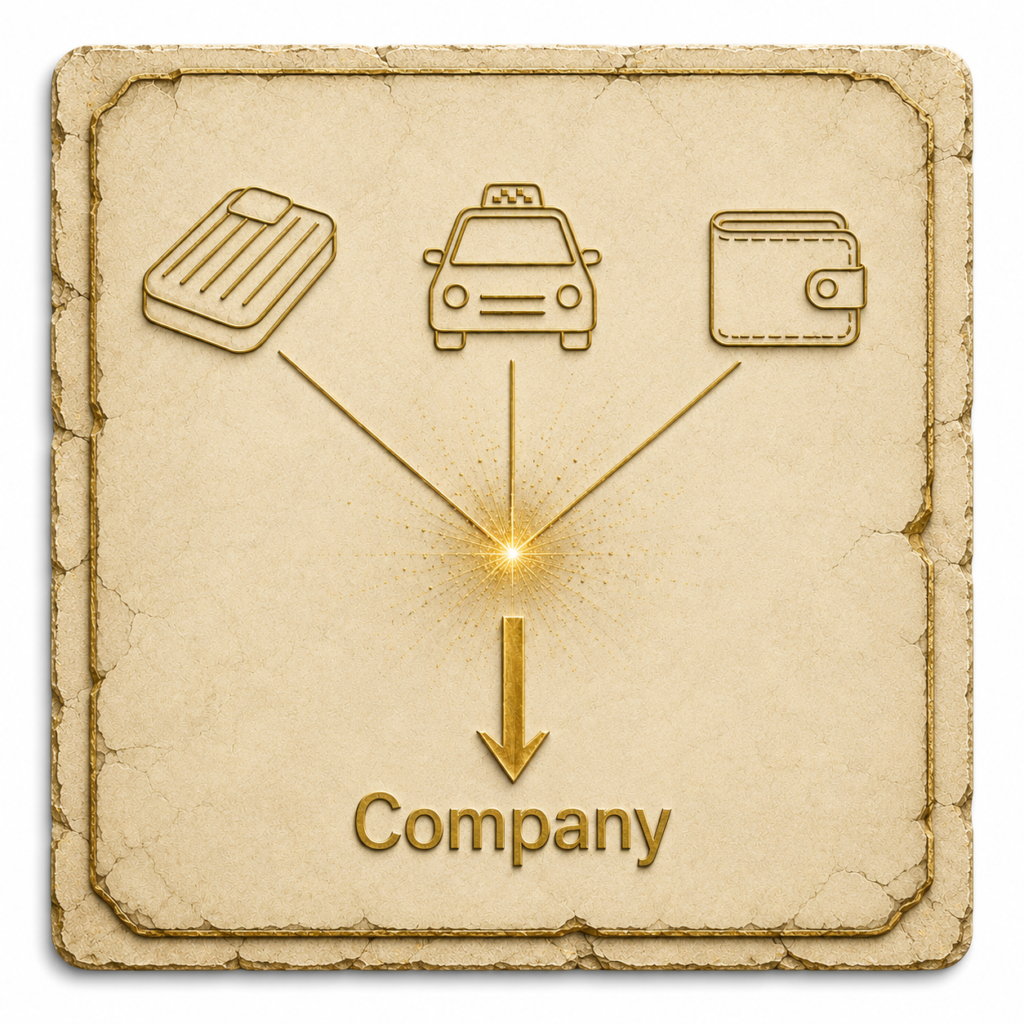
Three companies, three different decades, three founders solving a problem they personally had. None of them started with a market-sizing spreadsheet. (If you want the flip side of this — a framework for finding a problem you don’t personally have, buried under what customers actually say — see our Iceberg Model piece.)
Founder pain as market signal, not anecdote
Here’s the part that’s easy to miss: the friction has to be real enough to build an empire on, and that’s a specific kind of real — precise, personally felt, and inconvenient enough that you’d pay to make it go away. “I’m broke” doesn’t produce Airbnb. “I have three air mattresses, a design conference just filled every hotel in the city, and I need rent money by Friday” produces Airbnb. The specificity isn’t incidental. It’s the entire signal.
Most founders who try to work backward from “I want to build a startup” spend months searching for a problem worth solving. The three stories above ran the opposite direction — the problem found them first, while they were living inside it, with no market research involved. Kalanick and Camp weren’t studying urban transportation markets on that street corner. They were just cold and annoyed.
That’s a genuinely different starting point than most product advice assumes. It also means the signal is available to you right now, for free, if you’re willing to treat your own irritation as data instead of just complaining about it. (For the full mechanism this is one step of — friction to pressure to solution to industry — see our Anatomy of an Idea piece.)
Audit your own irritations
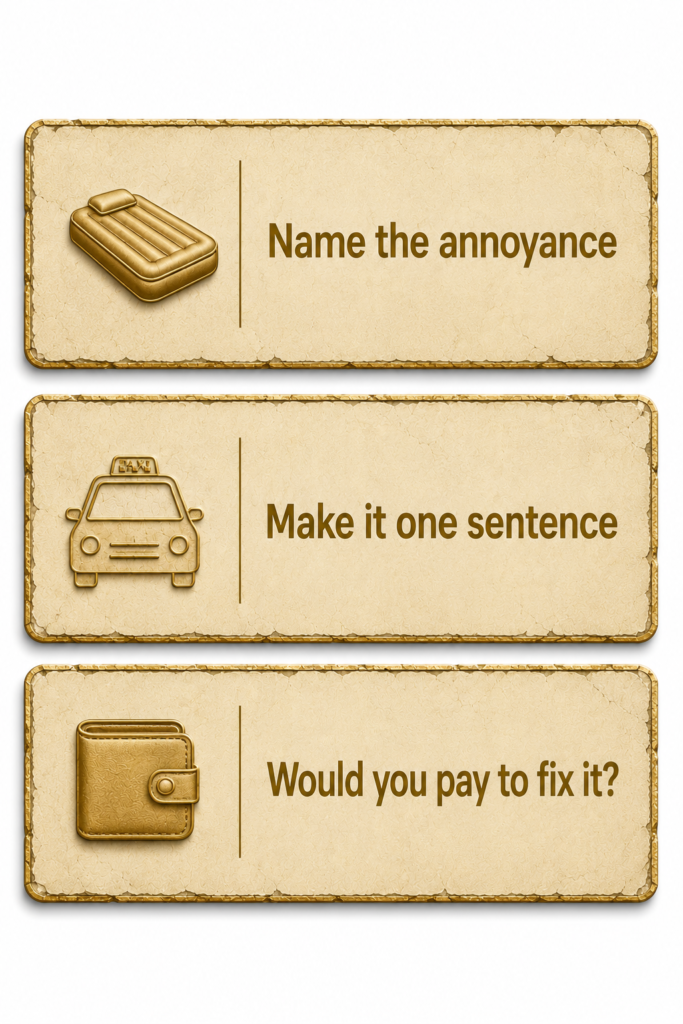
This week, instead of asking “what’s a good startup idea,” ask a narrower question: what do you personally run into, repeatedly, that’s specific enough to describe in one sentence — not “I’m too busy” but “I spend twenty minutes every Sunday manually re-entering the same three numbers into two different spreadsheets”? Write down three of those. For each one, ask whether you’d actually pay someone else to make it go away. If the answer is yes for even one, you have exactly what Chesky, Gebbia, Kalanick, Camp, and McNamara started with — not a business plan, just a precise, personally-felt friction real enough to build something on.
Is Your Own Annoyance Worth Building On?
Isn’t this just survivorship bias — we only hear about the founder frictions that worked? Partly, and it’s worth holding onto that caveat. But the mechanism being described here is about where ideas originate, not a guarantee that every personal friction becomes a company. Most don’t. The claim is narrower: the companies that did work overwhelmingly started this way, not from market research.
Does this only apply to consumer startups? No — B2B founders report the same pattern constantly: a founder who was personally the frustrated customer at their last job, building the tool they wished they’d had. The friction just tends to be professional instead of personal.
What if my annoyance is too small to be a real company? Airbnb’s founders needed a few hundred dollars for rent. The size of the company that eventually gets built has very little to do with how small the original friction felt.
Try this
Pick one thing that’s genuinely annoyed you in the last week — something specific enough to describe in a single sentence, the way “three air mattresses and a fully booked city” is a single sentence. Ask whether you’d pay to make it go away. That question, asked honestly about your own life instead of a customer persona, is where three separate multi-billion-dollar companies actually started.
Sources:
- Adapted from The Human Constant, Chapter 7 — “The Great Leap” and Chapter 12 — “The Debt We Chose”
- Airbnb: Harvard Business School Case 812-046
- Airbnb (ABNB) Market Cap & IPO valuation — StockAnalysis.com
- Uber valued at $82 billion in IPO — NPR
- How Diners Club Sparked the Consumer Credit Revolution — FEE
- Diners Club International — company history



Leave a Reply
You must be logged in to post a comment.
Show Comments